
Car Accident Treatment in Phoenix: What It Includes and Where to Start
Menu: Car Accident Treatment in Phoenix
What Car Accident Treatment in Phoenix Includes – What it really includes beyond the initial ER visit.
Why Crash Injuries are Different – Understanding force, biomechanics, and "delayed" symptoms.
Specialized Care Options in Phoenix – Chiropractic, PT, Pain Management, and Imaging.
Common Recovery Obstacles – How to avoid the "wait and see" trap and the risks of early settlement.
How to Start Your Recovery – Simple steps to document your injury and find a provider.
The Role of Care Coordination – Why "quarterbacking" your treatment ensures no injury is overlooked.
Frequently Asked Questions – Quick answers on provider types, timelines, and insurance concerns.

After a car accident in Phoenix, many people feel unsure about what “treatment” actually means. Some expect immediate pain, while others feel mostly fine and assume care can wait. In Phoenix, car accident treatment often involves more than one provider and a coordinated plan designed to address both short-term symptoms and longer-term recovery.
Understanding how accident care works locally can help people avoid delays, unnecessary appointments, and gaps in documentation. It also helps reduce the frustration that comes from being sent in different directions without clear explanations.
CrashCare Support Insight: “Most people don’t delay treatment because they feel fine after a car accident. Most delay because the pain feels manageable at first, and no one explains that accident injuries often never go away - due to the nature of the injury.”
What “Car Accident Treatment” Really Includes in Phoenix
Car accident treatment is not a single visit or a single type of care. In most Phoenix cases, it is a process that adapts as symptoms evolve and more information becomes available.
Treatment commonly includes a combination of:
Initial medical evaluation
Imaging or diagnostic testing when appropriate (X-ray, etc)
Symptom-based care such as chiropractic, physical therapy, or pain management
Potential specialized care (neurologist, surgeon, counselor, audiologist, concussion, etc)
Follow-up care to track progress and adjust treatment plans
The goal is not just symptom relief, but identifying injury patterns that may worsen if left unaddressed.
Why Accident-Related Injuries Are Treated Differently
Car accidents expose the body to forces that are fundamentally different from everyday injuries. Even low-speed crashes involve rapid acceleration, deceleration, and shear forces that the body is not designed to absorb. These forces can affect muscles, ligaments, joints, discs, and nerves all at once, creating complex injury patterns that don’t always behave like a typical strain or soreness.

Another key difference is how symptoms unfold over time. Many people feel relatively manageable discomfort right after a crash, only to realize days or weeks later that the pain hasn’t resolved or never truly improved. This happens because inflammation, soft tissue damage, and nerve irritation often develop gradually. Accident-focused care anticipates this pattern and evaluates injuries with progression in mind, not just how a person feels during the first visit.
In Phoenix, providers who specialize in accident care approach treatment differently than general or primary-care settings. Instead of focusing solely on what is visible on early imaging or during a single exam, they assess how symptoms change, spread, or persist over time. This approach helps identify injuries that may be missed when care is limited to ruling out fractures or emergencies.
CrashCare Support Insight: “A lot of people don’t seek care because they think, ‘I’ve had this pain before.’ What they don’t realize is that a car accident can aggravate or worsen something that was previously manageable.”
What Makes Accident-Focused Care Different
Accident-focused providers are trained to recognize that collision-related injuries follow predictable patterns, even when imaging appears normal.
Imaging is very often “normal” after a car accident. All that means is that no bones were broken or dislocated. No X-ray, CT or MRI can see microtearing of the muscles, ligaments and irritation to the joint sources and/or nerves.
Proper evaluations are built around understanding force, biomechanics, and how different tissues heal at different rates.
This type of care typically involves:
Identifying injury patterns common to car accidents, such as whiplash-associated disorders, joint instability, disc irritation, and nerve-related pain
Monitoring symptom progression, especially stiffness, headaches, or pain that lingers rather than improves
Distinguishing between “cleared” and “healed,” recognizing that normal X-rays or MRIs do not always reflect soft tissue or nerve injury
Documenting findings carefully, so the clinical picture reflects what the person is actually experiencing over time
This documentation is not about legal action. It exists to ensure continuity of care, accurate treatment decisions, and clear communication between providers, insurers, and patients.
CrashCare Support Insight: “Settling your case while you still have symptoms can be risky. After you sign a settlement, the case is closed for good—and any additional medical bills that arise later WILL become your responsibility.”
Why Accident Care Is Often Coordinated Over Time
Accident-related injuries rarely resolve in a single visit because the body’s response unfolds in phases. Muscles may calm down quickly, while ligaments, joints, nerves, or discs can take much longer to recover. As symptoms evolve, care may need to adapt, which is why accident treatment often involves coordination between different providers rather than isolated visits.
Chiropractic care, physical therapy, imaging, and pain management each serve a role depending on how the injury presents and progresses. The goal is not to over-treat, but to respond appropriately as the body reveals what it needs to heal. This step-by-step approach reduces the risk of dismissing lingering symptoms or overlooking injuries that only become clear with time.
CrashCare Support Insight: “Being told ‘nothing is broken’ usually means serious injuries were ruled out, not that recovery is finished or symptoms should be ignored.”
By treating accident-related injuries differently, care stays focused on long-term recovery rather than short-term reassurance. This approach helps prevent manageable discomfort from turning into chronic pain and gives patients a clearer path forward after a crash.
Common Types of Car Accident Treatment in Phoenix
Chiropractic Accident Care
Chiropractic care is frequently used after car accidents to address neck pain, back pain, joint restriction, and soft-tissue strain. Accident focused chiropractors evaluate how the crash impacted spinal movement and surrounding structures, not just isolated pain points.
Care often involves multiple visits over time to restore mobility and reduce inflammation. Progress is monitored closely, especially if symptoms change or spread.
Neck Pain After a Car Accident: What’s Normal and When Care Matters
Physical Therapy and Rehabilitation
Physical therapy focuses on restoring strength, flexibility, and function after injury. It is commonly used when pain affects movement, work activities, or daily routines.
In accident cases, therapy plans are often customized based on crash mechanics and symptom patterns rather than generalized exercise routines.
Pain Management and Interventional Care
When pain persists or involves true nerve pain (shooting pain, numbness, tingling), pain management specialists may become part of the treatment plan. These providers use diagnostic tools and targeted procedures to identify the source of pain.
Interventional pain care is often considered when progress plateaus or symptoms interfere with sleep, work, or driving.
Doctors of Chiropractic Accident Care and Pain Management in Phoenix: How to Choose the Right One
Imaging and Diagnostic Evaluation
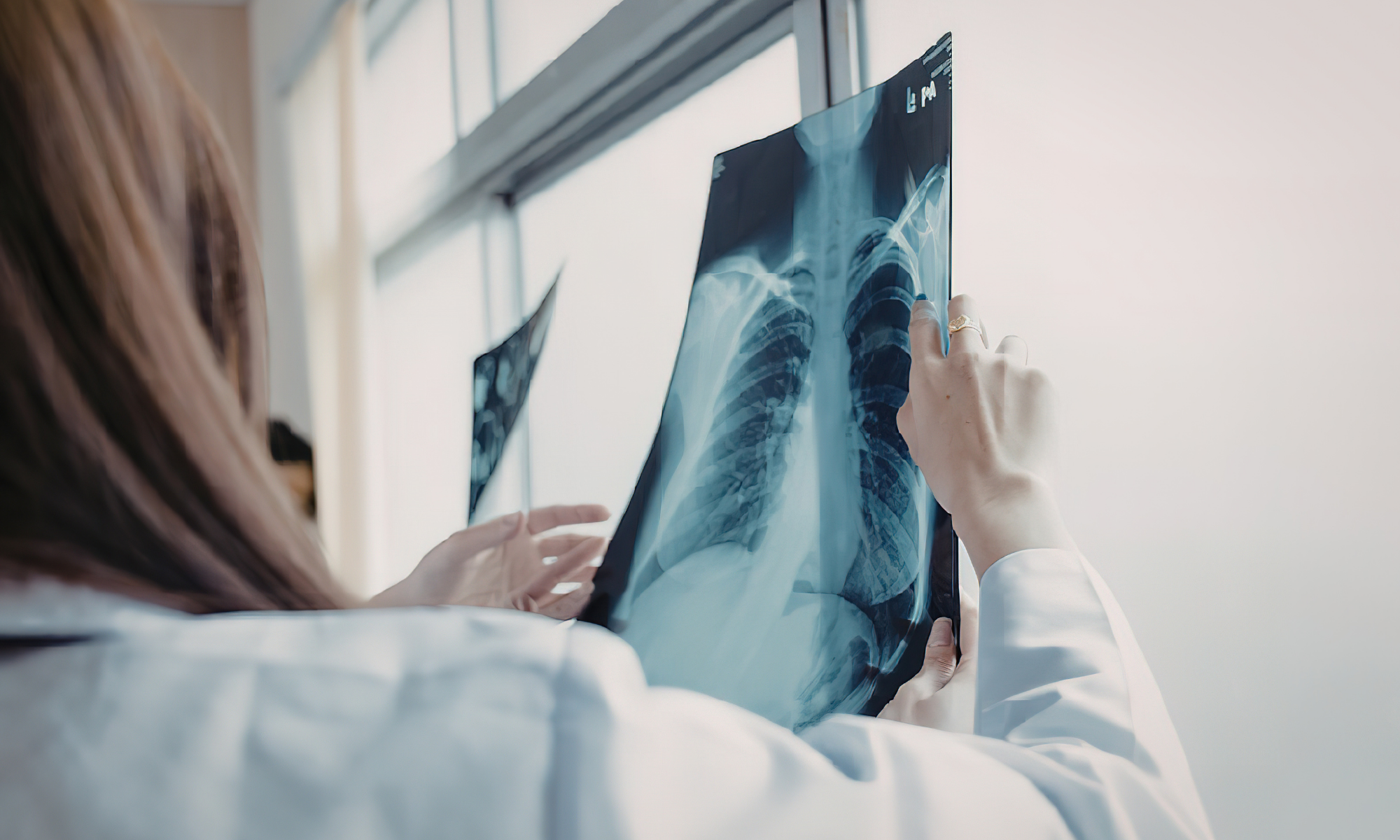
X-rays, MRIs, or other imaging may be ordered if symptoms persist, worsen, or suggest deeper injury. Normal early imaging does not rule out injury, particularly with soft-tissue or nerve involvement.
Imaging is typically used to guide care decisions and rule out certain diagnoses, not as a standalone answer.
Where People Often Get Stuck After a Crash
Many Phoenix residents delay treatment because they are unsure which provider to see first. Others assume their regular doctor will manage everything, only to find themselves referred elsewhere later.
Common obstacles include:
Waiting too long because pain feels manageable
Seeing providers unfamiliar with accident documentation
Stopping care too early when symptoms temporarily improve
Each of these can complicate recovery and create unnecessary stress later.
CrashCare Support Insight: “Delaying care after a crash is rarely about neglect. It’s usually about confusion. People aren’t sure who to see, what matters, or whether their symptoms are ‘serious enough.”
How to Start Car Accident Treatment Without Feeling Overwhelmed
Starting care does not require having everything figured out. The first step is usually understanding what type of care fits your symptoms right now, not committing to a long treatment plan upfront.
Helpful early steps include:
Getting evaluated by an accident-focused provider
Documenting symptoms, even if they seem minor
Requesting your accident report when available
What to Do After a Car Accident in Arizona
CrashCare Support Insight: “Starting care doesn’t lock you into anything. It simply keeps options open while your body responds.”
Why Care Coordination Matters in Phoenix
Not all clinics work the same way. Accident-focused care often involves coordination between providers, imaging centers, and documentation processes.
This coordination helps ensure:
Symptoms are tracked consistently
Referrals are timely and appropriate
Records support both medical care and recovery planning
Without coordination, people may repeat evaluations, miss key findings, or feel unsure about next steps. Most PCP providers are not set up to quarterback your treatment. We are happy to help refer you to a doctor who has your best interest in mind and understands the claims process.
How CrashCare Support Helps With Car Accident Treatment
CrashCare Support is a nonprofit resource for people navigating accident recovery in Phoenix. We are not a medical provider or law firm, and we do not sell services.
Our role is to:
Explain treatment options clearly
Help people understand where to start
Connect individuals with appropriate, vetted resources
FAQ: Car Accident Treatment in Phoenix
-
That depends on your symptoms. Many people start with accident-focused providers who can evaluate soft-tissue and joint injuries and refer out if needed. This is often a chiropractor or medical pain management provider.
-
Some people wait, but symptoms often change over days or weeks. Early evaluation helps document your condition and avoid gaps in care.
-
Not always. But the best course of action is to meet with a qualified physician who will make that assessment.
-
Yes. Treatment decisions are medical, not legal. Understanding options early helps preserve flexibility later.
-
There is no standard timeline. Treatment length depends on injury type, symptom response, and individual recovery patterns. Typically soft tissue treatment takes a few weeks to a few months.
Where to Go Next
If you’ve been in a car accident and are unsure what type of care makes sense or where to begin, guidance is available. You don’t need to commit to a treatment plan to ask questions.