
Doctors of Chiropractic Accident Care and Pain Management in Phoenix: How to Choose the Right One
In this guide, you’ll find:
Why Accident-Related Injuries in Phoenix Require Specialized Care
PI Chiropractor vs. Regular Chiropractor: What’s the Difference?
How Pain Management Centers Fit Into Accident Recovery in Phoenix
Why Documentation and Care Coordination Matter After a Crash
Common Misunderstandings About Chiropractic and Pain Management After an Accident
How CrashCare Support Helps You Choose the Right Provider in Phoenix
Frequently Asked Questions About Accident Chiropractic and Pain Care in Phoenix

For people recovering from car accidents in Phoenix, choosing the right type of care can shape both physical recovery and long-term stability. The combination of high traffic volume, long commutes, and intersection-heavy roadways in Phoenix often leads to accidents and injuries. Treatment of these injuries often require coordinated, accident-focused treatment.
After a car accident, many people assume that any doctor will be able to help. While most providers can address discomfort, accident-related injuries often require a different level of coordination, documentation, and clinical focus. Choosing the wrong clinic can affect both recovery and the options available later.
This guide explains how chiropractic accident care and pain management centers are not considered the same, why that distinction matters after a crash, and how to choose an accident care and treatment center that supports the full recovery process. The goal is not urgency or pressure, but clarity when everything you read and hear is contradictory.
Why Accident-Related Injuries Require Specialized Care
In Phoenix, where many crashes occur at intersections or during stop-and-go traffic, neck, back, and nerve-related injuries are especially common. These injury patterns often require providers who understand both the clinical aspects of the injury and the legal implications of the claim for their patient.
Car accidents place sudden force on the body in ways that everyday injuries do not. Even low-speed collisions can strain the neck, spine, joints, and nervous system in complex patterns.
Accident-focused providers are trained to recognize these injuries and understand how symptoms evolve over time. They also know how to document injuries in a way that reflects medical reality, causation and the accident timeline.
PI (Personal Injury) Chiropractor vs Regular Chiropractor: What’s the Difference?
In Phoenix, PI chiropractors are often accustomed to coordinating care across multiple clinics, imaging centers, and specialists due to the multiple injuries and specialists needed with auto injuries. That coordination becomes especially important when patients live, work, and receive care in different parts of the Valley.
Many people search for a chiropractor after an accident and assume all chiropractic care is the same. The difference between a PI (personal injury) chiropractor and a regular chiropractor often becomes clear only after problems arise or after it’s far too late.
Regular Chiropractor
A traditional chiropractic clinic typically focuses on wellness care, posture, general back pain, or maintenance adjustments. These clinics are often ideal for ongoing musculoskeletal health but may not be structured for accident-related cases.
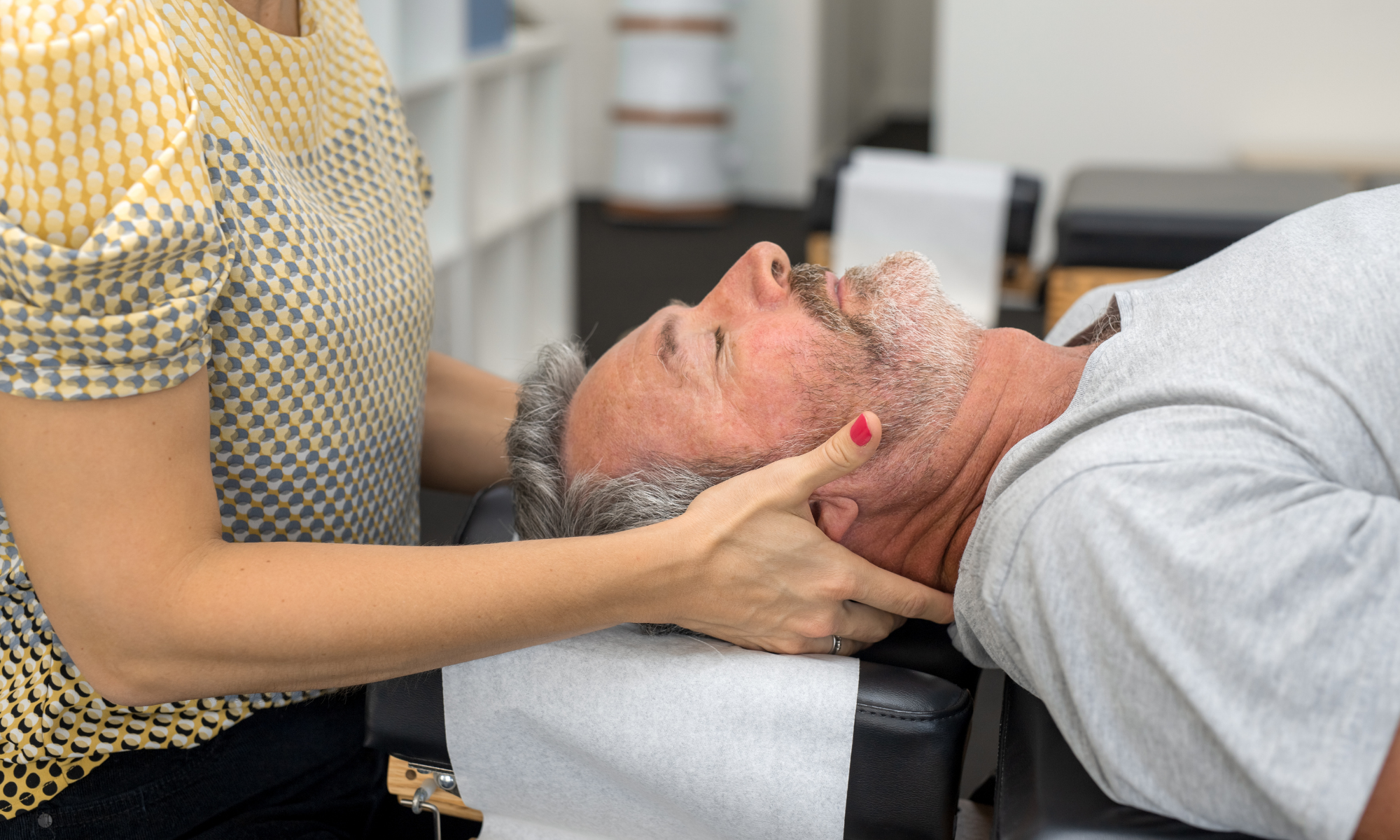
Common characteristics include:
Cash-based or standard insurance billing
Limited coordination with specialists
Minimal legal or insurance documentation support
Focus on wellness and symptom relief rather than true rehabilitation
PI Chiropractor (Accident-Focused Chiropractic Care)
A PI chiropractor specializes in injuries caused by car accidents and other traumatic events. Their care model accounts for how injuries progress, how documentation matters, and how treatment may need to evolve.
Accident-focused chiropractic care often includes:

Detailed injury evaluations tied to the crash
Ongoing symptom tracking and re-evaluation
Coordination with pain management centers, surgeons, neurologists and specialists
Experience working with medical liens and attorneys
This distinction is especially important when injuries involve the neck, spine, or nerve irritation that may not respond to basic care alone.
Neck Pain After a Car Accident: What’s Normal, What’s Not, and When Care Matters →
How Pain Management Centers Fit Into Accident Recovery in Phoenix
Chiropractic care and pain management are not competing options. In many cases, they work best together. Pain management centers focus on identifying and treating deeper sources of pain that may not improve with adjustments alone.
This is particularly relevant in Phoenix and surrounding valley cities, where access to pain management centers varies widely and not all clinics are equipped to handle accident-related cases.
Pain management may be considered when:
Pain persists beyond expected healing timelines
Imaging shows disc, joint, or nerve involvement
Symptoms limit daily function despite conservative care
Injections or interventional procedures are appropriate
Accident-aware pain management centers understand how to integrate care with chiropractic treatment and physical therapy, rather than replacing them outright.
Unfortunately, it’s impossible to know from the public’s eye which clinics are “in bed” with insurance companies and are paid to dismiss auto injuries and deny treatments.
Get a Vetted Pain Management Referral in Phoenix→
What to Look for in an Accident Care and Treatment Center in Phoenix
Choosing the right accident care and treatment center in Phoenix means looking beyond convenience or proximity.
Not all clinics advertising accident care are equipped to handle the full picture. Choosing the right accident care and treatment center means asking questions beyond availability or location.
Key indicators of accident-focused care include:
Experience treating accident injuries common in Phoenix-area crashes, including intersection and freeway-related impacts
Willingness to coordinate with multiple providers
Clear documentation practices tied to the accident
Familiarity with insurance claims and medical liens
Understanding of delayed or evolving symptoms
Centers that lack these elements may still provide care, but gaps often appear later when records, referrals, or coordination are needed.
Why Documentation and Coordination Matter More Than Most People Realize
After an accident, medical records become more than clinical notes. The notes create the justification for all your medical bills and ultimately the claim settlement. If the clinical notes are subpar, the insurance companies will not consider the bills justified and suddenly you are stuck with personal medical bills and a serious claim problem.
Everyone expects that their doctor is superb at taking clinical notes. But unfortunately, just like the stereotypical bad handwriting from doctors, physicians are commonly terrible with their documentation even with all of today’s technology. This documentation turns up as unexplained gaps in care, inconsistencies, not addressing all symptoms, missing causation statements or vague records. This can greatly complicate recovery and claims later.
Accident-focused clinics structure care with this reality in mind. They document progression of every single symptom, response to treatment, and referrals clearly, which supports both medical decision-making and long-term stability.
This is one reason choosing an accident care and treatment center early can prevent unnecessary stress later.
Common Misunderstandings About Accident Care
Many people delay or avoid specialized care because of assumptions that sound reasonable at the time. Some of the most common include:
“I’ll see how it feels in a few weeks.”
“Any chiropractor can handle this.”
“Pain management is only for severe cases.”
“Going to my PCP is enough.”
In reality, early evaluation does not force long-term treatment. It simply creates options and preserves flexibility if symptoms change.
How CrashCare Support Helps People in Phoenix Navigate These Choices
CrashCare Support is a community resource for accident recovery, not a clinic or law firm. Our role is to help people understand what types of care may be appropriate after an accident and how different providers fit together.
We focus on helping people across Phoenix understand which types of chiropractic and pain management care align with their injuries, location, and recovery timeline.
We help individuals:
Understand the difference between care types
Identify accident-aware providers
Avoid mismatched referrals
If desired, refer individuals to reputable clinics based on our conversation
No clinic or professional pays to be part of our network. Recommendations are based on our personal experience with these clinics/doctors, coordination ability, and accident-specific expertise.
Contact CrashCare Support →
Frequently Asked Questions About Accident Chiropractic and Pain Care in Phoenix
-
It depends on the situation. After a car accident, a PI chiropractor is usually better equipped to track injury progression, coordinate care, and document findings. That structure matters when it comes to your recovery and your claim. They are not a better physician.
-
Pain management is often considered when pain does not improve with conservative care or when imaging shows deeper involvement. It is not a last resort, but one part of a layered recovery plan. If your PCP or chiropractor is not talking to you about pain management, feel free to call us to learn your options.
-
Yes, and that happens often. The key is choosing providers who communicate with each other so care stays aligned.
-
Yes, it often does. In a large metro area like Phoenix, care may happen across multiple locations, so choosing providers who communicate well and understand accident-related coordination is important. Convenience alone should not be the deciding factor.
-
Accident-focused centers are familiar with insurance processes and medical liens. That experience can prevent delays or confusion later.
-
If you look on their website and there is no indication of seeing auto injuries, that is a pretty good indication. The absolute fastest and most complete way of learning who is accident focused is by giving us a call. Based on your story and your desired location to treat, we can make several recommendations.
Where to Go Next
If you are recovering from a car accident in Phoenix and unsure whether chiropractic care, pain management, or both make sense after an accident, guidance can help. Understanding your options early allows you to choose care that supports recovery rather than creating obstacles later.