
Who Is at Fault in an Intersection Accident? What Arizona Drivers Need to Know
Intersections are one of the most common places for serious car accidents and also one of the most misunderstood. After a crash, many drivers are left asking the same questions. Who had the right of way? Does the police report decide fault? What if both drivers made a mistake?
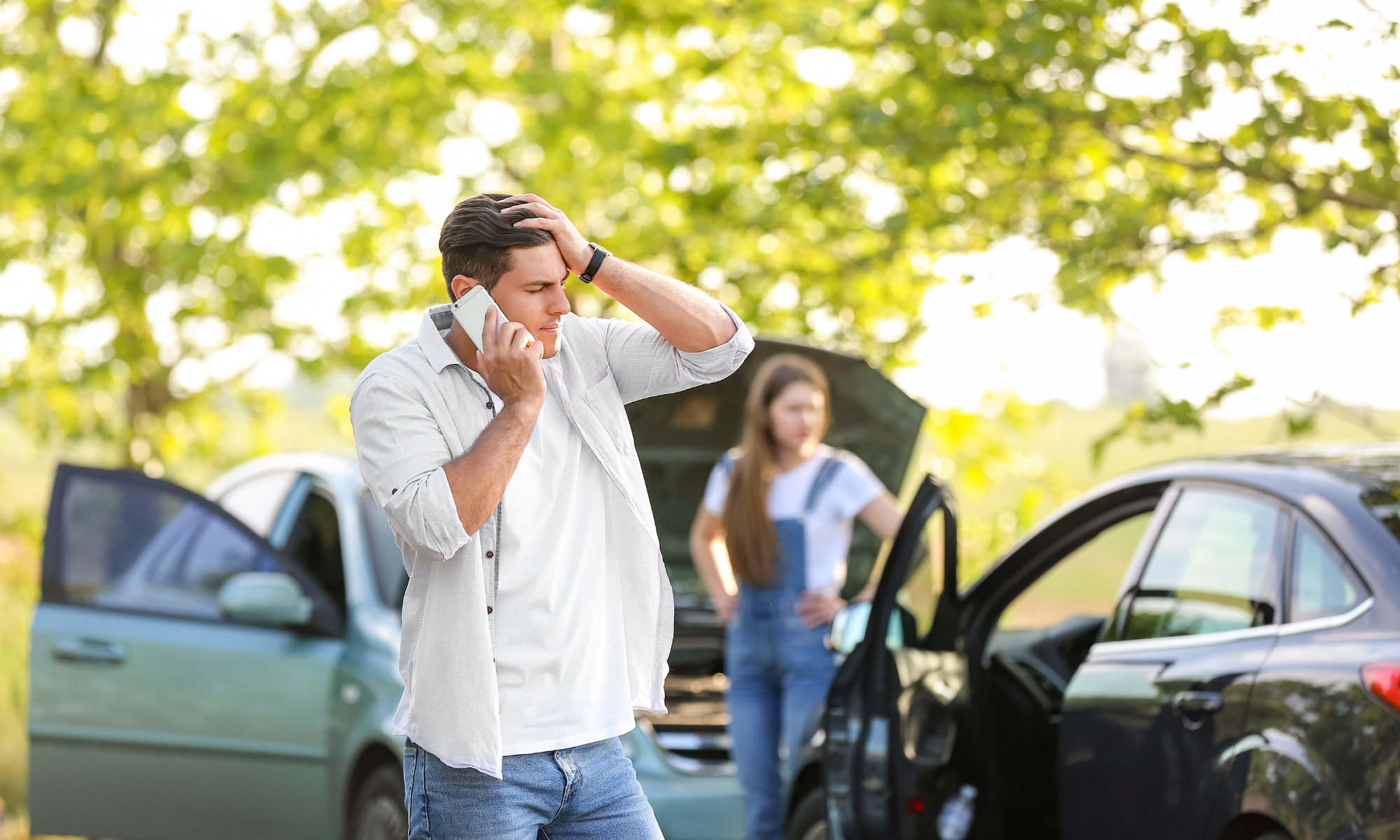
In Arizona, fault is not determined by a single factor. It is based on traffic laws, evidence, documentation, and how each driver’s actions contributed to the collision. Understanding how this works can protect you from incorrect assumptions and rushed decisions.
Why Intersection Accidents Are More Complicated Than Other Crashes
Intersection accidents involve multiple moving parts happening at the same time. Traffic lights, stop signs, turning vehicles, pedestrians, and visibility issues all play a role in how a crash occurs. Because so many variables are involved, fault is rarely as simple as it first appears.
Unlike rear-end crashes, where fault is often clearer, intersection accidents require closer review because:
More than one driver may have legal duties at the same time
Right of way rules change based on signals and road design
Fault may be shared between drivers
This complexity heightens when no one is cited for the accident. This is exactly why many Arizona drivers feel uncertain after an intersection collision.
How Fault Is Determined in an Arizona Intersection Accident
Fault is determined by evaluating whether a driver failed to follow traffic laws and whether that failure caused or contributed to the crash. Insurance companies and investigators look at actions, not just outcomes. The key question is whether a reasonable driver would have acted differently under the same circumstances.
This evaluation often includes reviewing traffic signals, driver behavior, vehicle movement, and available evidence. Even when one driver appears to have made a mistake, additional factors can affect how fault is ultimately assigned.
Traffic Signals and Right of Way
Arizona law relies heavily on right-of-way rules when determining fault at intersections. These rules govern who must stop, who must yield, and who is allowed to proceed under specific conditions. Violating these rules often carries significant weight in fault determinations.These include:
Obeying traffic lights and stop signs
Yielding properly during left turns
Yielding to pedestrians in crosswalks
Yielding when entering from side streets
If a driver runs a red light, fails to yield, or enters an intersection unlawfully, that behavior weighs heavily in fault determination.
Driver Behavior at the Time of the Crash
Beyond traffic signals, investigators closely examine how each driver was behaving at the time of the accident. Even subtle decisions and other factors can matter when reviewing how a collision occurred, including:
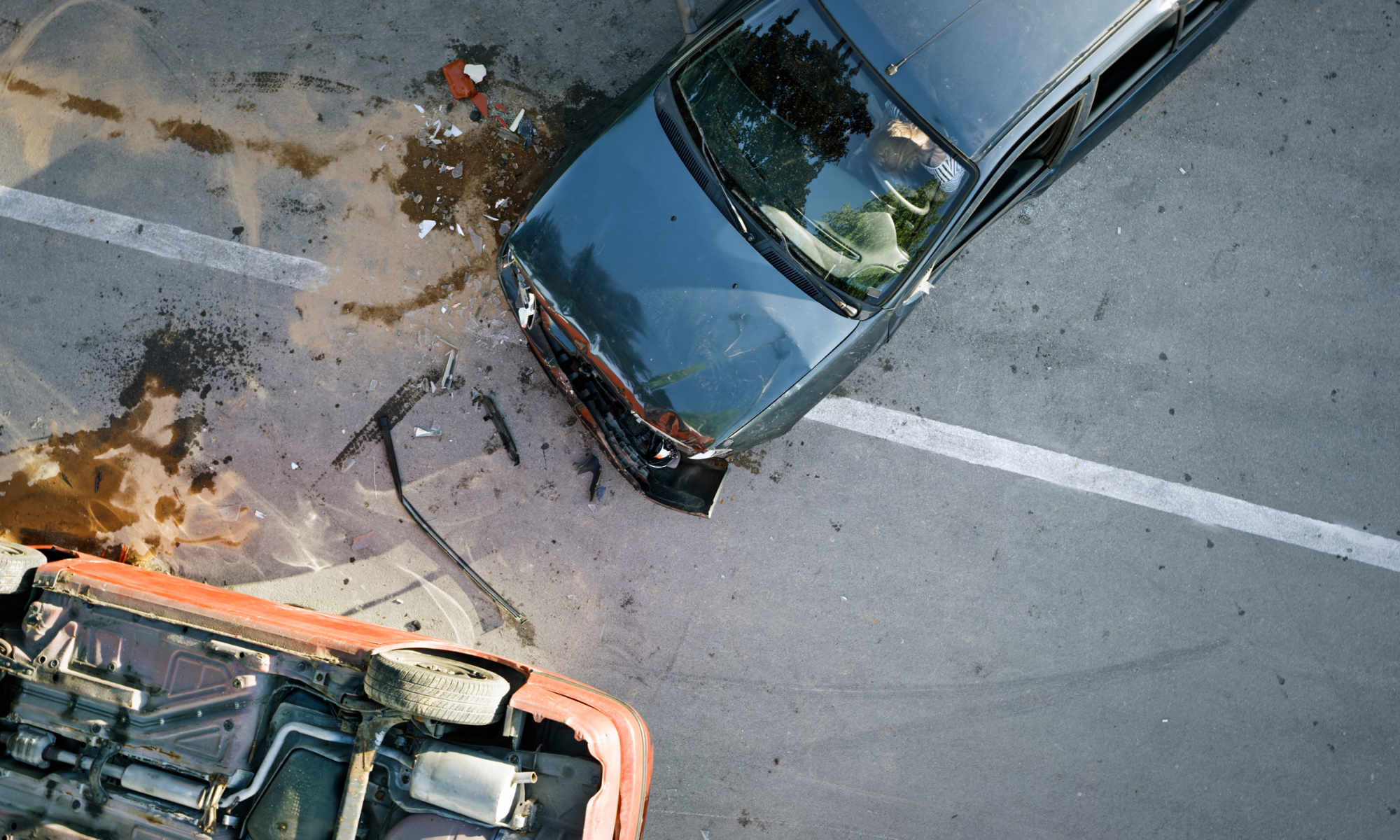
Speed
Distraction
Failure to brake or react
Improper lane changes
Aggressive or rushed driving
Importantly, having the right of way does not automatically eliminate fault. If a driver was speeding, distracted, or failed to react appropriately, their behavior may still be considered when responsibility is assigned.
Does the Police Report Decide Who Is at Fault in an Intersection Accident?
A police report plays an important role, but it does not automatically determine fault.
Officers document what they observe at the scene, including
Statements from drivers and witnesses
Vehicle positions and damage
Traffic control devices
Citations issued
Insurance companies rely heavily on police reports, but they also consider additional evidence. Errors, missing details, or limited witness availability can affect how the report is interpreted.
This is why having a team on your side to review the full context of the accident matters.
Request your free Arizona accident report
Evidence That Matters Most in Intersection Accidents
Evidence often becomes the deciding factor when accounts conflict. The stronger and more objective the evidence, the clearer fault determination tends to be. This is especially important in intersection accidents, where each driver may believe they were in the right.
Common Types of Useful Evidence
Traffic camera or surveillance footage
Dashcam or cellphone video
Independent witness statements
Vehicle damage patterns
Skid marks and debris location
The earlier evidence is preserved, the clearer the picture becomes.
Common Types of Intersection Accidents and Fault Patterns
Left Turn Collisions
Left turn accidents are among the most common intersection crashes in Arizona. Drivers making left turns are generally required to yield to oncoming traffic unless they have a protected green arrow. When this rule is misunderstood or ignored, collisions often occur.
Fault in left turn accidents frequently depends on signal timing, speed of oncoming vehicles, and visibility. These details are why evidence and documentation are especially important in these cases.
T-Bone Accidents
T-bone accidents typically occur when a driver runs a red light or stop sign. These crashes often result in serious injuries because the side of a vehicle offers less protection. When supported by evidence, liability in these cases is often clearer.
However, disputes can still arise if visibility is limited or right of way is questioned. This is another reason why a full review of circumstances matters.
Rear-End Collisions at Intersections
Rear-end collisions commonly happen at intersections when vehicles stop suddenly for lights, pedestrians, or congestion. In most cases, the following driver is considered at fault for failing to maintain a safe distance.
That said, exceptions can exist. Sudden lane changes, malfunctioning brake lights, or unexpected stops may influence how responsibility is assessed.
What Happens If Both Drivers Share Fault in an Intersection Accident in Arizona?
Arizona follows a pure comparative negligence system. This means fault can be divided between drivers.
If you are partially at fault, your compensation may be reduced by your percentage of responsibility, but it is not automatically eliminated. Therefore, it may still be worth filing claims even if you’re personally at fault.
This is why understanding fault before settling matters.
Why Intersection Fault Is Often Misunderstood
After an intersection crash, fault can feel straightforward at first glance. Many people assume there’s a single clear answer based on who hit whom or what the police report says. In reality, intersection accidents are evaluated using multiple layers of evidence, traffic rules, and context that aren’t always obvious in the moment.
Many drivers assume:
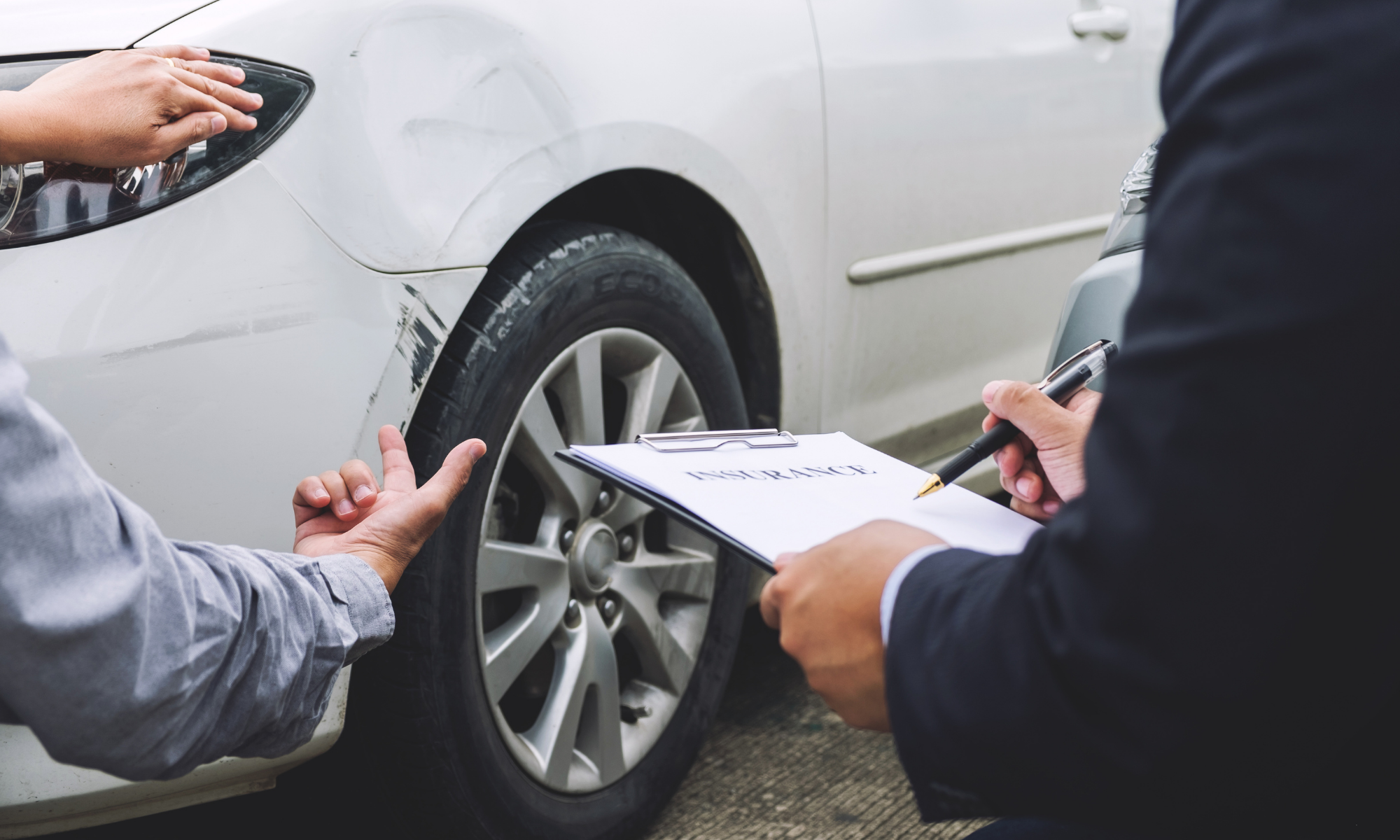
The police report ends the discussion
Insurance will explain all options
Fault must be all or nothing
In reality, fault determination is layered and evidence-driven.
Missing details or early assumptions can affect outcomes long after the crash itself.
What to Do After an Intersection Accident If Fault Is Unclear
If you are unsure how fault applies to your situation, slowing down the decision-making process is often helpful.
Do not rush statements or settlements
Preserve evidence
Request your accident report
Ask questions before assuming responsibility
Clarity at this stage often prevents problems later.
Here’s a clear, step-by-step guide to what matters most in the hours and days after a crash.
What to Do After a Car Accident in Arizona (Even Before You Call a Lawyer) →
How CrashCare Support Helps you After an Intersection Accident
CrashCare Support is an accident community resource focused on education and guidance. We do not sell legal services or push outcomes.
Our role is to:
Explain how fault is evaluated
Help you understand documentation
Connect you with trusted professionals when appropriate
Many people find that simply understanding their situation reduces stress and uncertainty.
Request Free Accident Support →
Frequently Asked Questions About Intersection Accident Fault
-
Fault is evaluated by insurance companies based on traffic laws, evidence, and documentation. Police reports influence decisions but do not finalize them.
-
Yes. Arizona allows shared fault, and responsibility may be divided based on each driver’s actions.
-
No. Unsafe driving behavior can still affect fault even when right of way exists.
-
Start with documentation and neutral guidance before making assumptions. CrashCare Support can be the neutral guidance and support to help you review your options.