
How to Handle Anxiety After a Car Accident (and Why it’s Normal)
Even after the bruises fade, the fear can linger. You might feel nervous driving again, startled by sounds, or replaying the crash in your mind. You’re not alone, and you’re not “crazy.” Anxiety after an accident is a natural trauma response.
At CrashCare Support, we’ve worked with countless Arizona accident survivors who thought they’d “just get over it.” But real healing starts by understanding what your body and mind are trying to tell you.
What This Article Covers
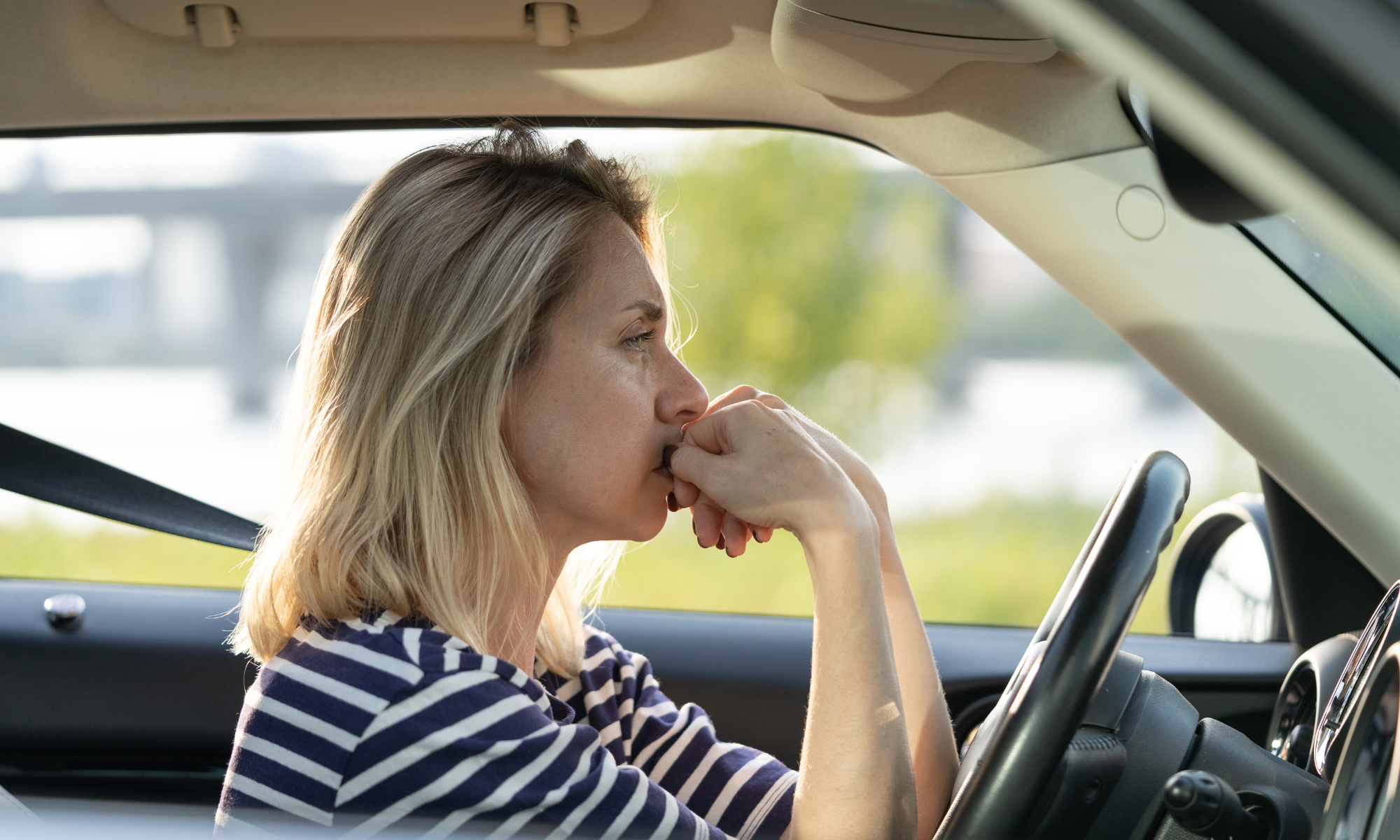
Your nervous system doesn’t care that the crash is over. It only cares that it felt unsafe, and it’s trying to protect you.
For many people, anxiety after a car accident doesn’t just feel like “worry.” It can show up as racing thoughts that won’t slow down, putting off driving because it feels overwhelming, or lying awake at night replaying the crash or having vivid nightmares.
You might notice shortness of breath, a tight chest, or your mind jumping to worst-case scenarios. You might even notice that you’re worrying about things that used to be simple, like remembering whether you locked the door or turned off the stove.
Even if you weren’t physically injured, the sudden shock of an accident can still affect your brain and nervous system.
Emotional trauma after a car accident doesn’t always leave visible marks, but it can deeply impact your mental well-being and sense of safety long after the crash is over.
Your nervous system doesn’t care that the crash is over. The anxiety you feel is your body’s alarm system still going off. There are easy treatments that focuses on quieting that alarm system and returning you to your normal life.
Why Post-Accident Anxiety Happens
Your brain is doing its job, trying to protect you from future harm. Unfortunately, that protection can show up as fear, avoidance, or intrusive thoughts.
CrashCare Support Insight:
“After years of seeing crash victims, we’ve learned the body often heals faster than the mind. Anxiety isn’t weakness, it’s your brain asking for safety again”

After a car accident, your nervous system can get “stuck” in survival mode. Even when you’re physically safe, your brain may still be scanning for danger. This is why anxiety can remain with you weeks or even months later.
Common triggers include:
Sitting at red lights
Sudden braking sounds
Driving past the crash location
Seeing emergency vehicles
Riding in a car even as a passenger
This isn’t overthinking, it’s your amygdala (the brain’s alarm system) doing what it was designed to do after a shock.
For some people, this anxiety fades naturally. For others, especially after high-impact or unexpected crashes, it can develop into acute stress response or PTSD if left unaddressed.
If your anxiety continues to get worse after an accident or does not completely resolve within a month or two, there is a risk that these symptoms may never go away without treatment
Signs Your Anxiety After A Car Accident is Trauma-Related (Not Just Stress)
You may be dealing with post-accident trauma if you notice:
Racing heart or rapid breathing while driving
Avoiding certain roads or driving altogether
Trouble sleeping or replaying the crash in your mind
Irritability, jumpiness, or emotional numbness
Feeling “on edge” even when nothing is wrong
These symptoms are very common among Arizona crash survivors , especially in dramatic or significant collisions. Physical injuries, insurance stress, and uncertainty about next steps only make things worse.
If you’re also feeling overwhelmed by paperwork or unanswered questions, start here:
Clarity reduces anxiety more than most people realize.
How to Manage Anxiety and PYSD After a Car Crash
A professional counselor can help you identify the “stuck points” in your mind and give you tools to work through those points permanently. Here are other ways to manage anxiety and PTSD after a crash:
Talk to a trauma-informed therapist familiar with accident recovery.
Practice gentle exposure, short, safe drives in familiar areas.
Build routines that help regulate your body (breathing, sleep, movement).
Give yourself permission to go slower than you think you “should.” Healing takes time.
Talk openly with someone you trust about what the anxiety feels like. Naming it reduces its power.
Avoid self-blame for symptoms; anxiety is an alarm response to something that happened, not a personal flaw
What Actually Works to Handle Anxiety After a Car Accident

Not all therapy approaches work equally well for accident-related trauma. Many Arizona providers use evidence-based trauma modalities such as:
Cognitive Behavioral Therapy (CBT)
EMDR (Eye Movement Desensitization and Reprocessing)
Somatic therapy (body-based regulation)
These approaches don’t require you to relive the crash in detail or discussing your childhood or personal relationships. Instead, a trained therapist can help identify the mental “stuck points” created by the accident and provides practical tools to help your brain process what’s happening and move toward resolution.
Healing doesn’t mean “forgetting.” It means remembering without your body panicking.
CrashCare Support connects you with licensed Arizona therapists who understand crash-related trauma, often with no out-of-pocket cost.
You don’t need to force yourself to “be brave.” You need the right support so your body can feel safe again and you can feel normal.
When Anxiety Affects Your Claim or Recovery
Many people don’t realize this, but untreated anxiety can:
Delay medical treatment
Make it harder to return to work
Affect how injuries are documented
Impact insurance or legal outcomes
Mental and emotional symptoms count in Arizona injury claims when properly documented. Understanding this early can protect both your health and your recovery.
However, most people may not realize that post-traumatic anxiety, stress or PTSD type of diagnoses don’t “count” in the insurance company’s evaluation of your claim if the diagnoses are NOT given by a licensed psychological professional and if you DON’T receive treatment (therapy) for it.
Therefore, if your PCP diagnoses you correctly with post-traumatic anxiety only, that will not be recognized by the insurance company as part of an increase to the claim.
Request Your Free Arizona Accident Report →
You Don’t Have to Handle Anxiety After a Car Accident Alone

Whether you need emotional support, clarity about next steps, or someone to explain your options, we’re here.
FAQS About Anxiety After a Car Accident
-
Extremely common. Studies suggest up to 30–40% of crash survivors experience anxiety or trauma symptoms afterward.
-
It varies. Some people feel better within weeks. Others need support. Some people who choose never to have it evaluated or treated live with it chronically throughout their life. Early help leads to faster recovery. If anxiety lasts longer than three weeks, it is recommended you have an evaluation.
-
Yes. Trauma-focused therapy has a high success rate, over 85%, for driving anxiety and avoidance.
-
Typically yes. Mental health care related to an accident may be covered depending on the available policies and documentation. We can connect you with the right professionals who can get you the help you need.
-
That’s okay. CrashCare Support is a nonprofit , not a law firm. We help you understand options without pressure. If you would like, we can even introduce you to a professional therapist without an attorney attached.
Anxiety after a crash doesn’t mean something is wrong with you. It means something happened to you. We’re here to support your recovery.